Autoimmune disease changes the way the body feels, moves, and rests. Pain pain management doctor near me becomes a frequent visitor, sometimes a permanent roommate. A good chronic pain doctor understands that in autoimmune conditions, the pain is not just a symptom. It is a complicated, shifting expression of inflammation, immune misfires, nerve sensitization, joint damage, and fatigue. Care has to be precise and adaptable, and it has to integrate with rheumatology, neurology, dermatology, gastroenterology, and primary care. When this coordination works, patients move better, sleep better, and get their lives back in increments that matter.
I trained as a pain medicine physician in a hospital where clinic days looked like a cross-section of autoimmune medicine: rheumatoid arthritis flares with hot wrists and rigid knees, psoriatic arthritis with enthesitis so tender that getting into a car felt like stepping on glass, lupus with headaches that blurred the edges of the day, ankylosing spondylitis patients who woke at 4 a.m. with a spine that behaved like rebar, and small fiber neuropathy that made socks feel like sandpaper. The common denominator was not just pain. It was pain that changed over weeks and months, pain that ignored simple rules, pain that sometimes coexisted with normal imaging. That’s the territory a chronic pain specialist has to navigate.
What an autoimmune pain visit should look like
A thorough first visit with a chronic pain doctor runs longer than patients expect. Expect a deep dive into the timeline of your symptoms, triggers, flares, remissions, infections, surgeries, sleep quality, mood changes, and medication history. We ask about morning stiffness versus end-of-day stiffness, whether heat or cold helps, how long flares last, and which joints or body regions take turns leading the chorus. We ask about rashes, mouth ulcers, gut symptoms, dry eyes or mouth, Raynaud’s episodes, and family history of autoimmune disease. We review every prior disease-modifying therapy, biologic, steroid burst, and NSAID trial, and how each affected pain versus function.
The physical exam aims to map pain generators: joint swelling and warmth, enthesitis points like Achilles insertions, sacroiliac tenderness, a Schober test for lumbar flexibility, cervical range of motion, grip strength, and signs of neuropathy. We look for allodynia and hyperalgesia consistent with central sensitization. Gait, balance, and proprioception matter, especially when fatigue and neuropathy are layered on top of mechanical issues. The history and exam drive the need for labs or imaging, but labs rarely “prove” pain; they help align pain with disease activity and rule out mimics.
This is also where we set expectations. Autoimmune pain care is iterative. You will likely have a combination of strategies rather than one “fix.” Some will address inflammation, some will calm nerves, some will restore mechanical balance, and some will support sleep and mood. Progress often looks like fewer bad days, shorter flares, and a higher activity ceiling, not an abrupt cure.
How autoimmune disease produces pain
Rheumatoid arthritis, psoriatic arthritis, systemic lupus, ankylosing spondylitis, mixed connective tissue disease, Sjögren’s, inflammatory bowel disease with extraintestinal manifestations, vasculitis, and autoimmune neuropathies all create pain through overlapping mechanisms:
Inflammation within joints, entheses, and soft tissues. When synovium or tendon sheaths swell, the capsule stretches, pressure rises, and movement hurts. In enthesitis, the tendon-bone interface turns exquisitely sore, particularly with load. Steroids or biologics can dramatically reduce this pain, which is why close alignment with a rheumatologist is crucial.
Structural change. Chronic inflammation remodels joint surfaces and ligaments. Cervical spine instability in rheumatoid arthritis, sacroiliac joint sclerosis in spondyloarthropathies, and degenerative disc changes can add mechanical pain to inflammatory pain. This mixture often responds best to careful physical therapy and targeted interventional options provided by an interventional pain management doctor.
Peripheral neuropathy. Small fiber involvement causes burning feet, pins-and-needles, and temperature intolerance. Inflammatory neuropathies can be patchy and stubborn, where gabapentinoids or sodium-channel—modifying drugs help some but not all. A pain management and neurology doctor often co-manages these cases.
Central sensitization. After months or years of pain, the nervous system can amplify signals. Fibromyalgia frequently coexists with autoimmune disease, acting as a gain dial turned up too high. These patients may have widespread tenderness, fragmented sleep, and cognitive fog. The best results come from layered care: sleep repair, graded exercise, neuromodulating medications, and cognitive behavioral strategies.
Organ-specific pain. For lupus patients with headaches, or inflammatory bowel disease patients with pelvic and abdominal pain, management must respect the organ system’s activity. A pain medicine physician will avoid interventions that ignore active disease, and instead time procedures or medication changes to align with disease control.
Understanding which mechanism predominates today determines whether we escalate immunotherapy, add a neuropathic agent, schedule sacroiliac joint injections, or adjust the exercise plan.
The team behind effective care
The most reliable results come from a multidisciplinary pain management doctor coordinating with other specialists. I have had patients where the “breakthrough” was not a new drug but better scheduling: rheumatology visit two weeks before a pain management injection to ensure disease activity was controlled, then physical therapy starting three days after the injection while the window of comfort allowed progress.
The right chronic pain doctor is comfortable as a consultant who tracks multiple moving parts:
- Rheumatology: disease-modifying therapy, flare management, lab monitoring. Neurology: neuropathy workup, headache management, neuroimaging when indicated. Physical therapy: graded mobility, tendon loading programs, posture and pacing. Behavioral health: pain coping strategies, sleep therapy, trauma-informed care. Dermatology, GI, ophthalmology: organ-specific care that influences pain.
Patients often ask whether they need a pain management physician or whether their rheumatologist is enough. When disease activity is well controlled but pain persists, that is the moment for a pain management expert to add value. Persistent sacroiliac pain, stubborn occipital neuralgia in lupus, or neuropathic burning after otherwise controlled psoriatic arthritis each benefit from targeted, non surgical pain management options.
Medications that help without masking danger
Non opioid options are the backbone of autoimmune pain care. The goal is symptom control while keeping the disease course visible, and avoiding medications that muddy the waters or create long-term risk.
NSAIDs and COX-2 inhibitors can be very effective for inflammatory pain, particularly in spondyloarthropathies. I watch the cumulative dose and duration, check kidney function and blood pressure, and pair with gastroprotection for higher-risk patients.
Neuromodulators such as duloxetine, milnacipran, amitriptyline, nortriptyline, gabapentin, and pregabalin can reduce amplified pain signaling. Each has a personality: duloxetine often helps when mood and sleep are intertwined, nortriptyline can reduce headache frequency in low bedtime doses, pregabalin helps small fiber neuropathy but can cause edema. Starting low and going slow is key.
Topicals are underrated. Compounded creams with ketamine, amitriptyline, baclofen, or lidocaine can quiet focal neuropathic pain without systemic effects. For enthesitis near the skin surface, diclofenac gel is surprisingly effective when used regularly.
Muscle relaxants have a narrow role. A short course of tizanidine at night can improve sleep during flares. Long-term use often breeds side effects and dependency without durable gains. A pain management MD should balance relief with function.

Opioids are a last-line option. For autoimmune pain, long-term opioids rarely improve function and often worsen sleep-disordered breathing and fatigue. They can also blunt the ability to sense a flare. When used, I keep doses low, time-limited, and tied to functional goals. Patients fare best with an opioid alternative pain doctor approach that emphasizes non opioid pain management first.
Corticosteroids can feel miraculous. They also erode bone and raise blood sugar and infection risk if overused. The pain management provider’s role is to offer other options so that short bursts remain short, and long-term reliance is avoided.
Interventional tools, and when to use them
An interventional pain management doctor chooses procedures that align with the dominant pain generator. In autoimmune disease, timing and selection matter.
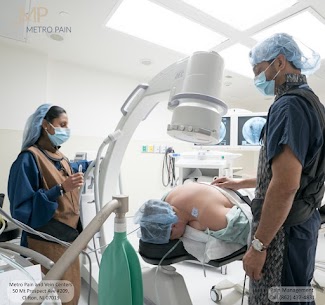
Sacroiliac joint injections are useful in ankylosing spondylitis and psoriatic arthritis when buttock pain, positive provocative maneuvers, and imaging support SI involvement. Relief can be striking when the joint is inflamed. If structural change dominates, benefit may be partial and temporary, which can still create a window for physical therapy.
Epidural steroid injections help radiculopathy due to disc herniation that coexists with autoimmune disease. They are less helpful for pure inflammatory back pain. In immune-suppressed patients, sterile technique and careful risk assessment are nonnegotiable. An experienced epidural injection pain doctor will weigh infection risks and cumulative steroid load.
Peripheral nerve blocks, like occipital nerve blocks for lupus-related headaches or entrapment neuropathies, can break a cycle of pain and muscle guarding. Radiofrequency ablation makes sense for facet-mediated axial neck or low back pain in patients where imaging and diagnostic blocks are concordant. It is less suitable if widespread sensitization is the main problem.
Enthesitis injections, precisely targeted with ultrasound, can calm tendon insertions at the Achilles, plantar fascia origin, or lateral epicondyle. I reserve steroid for clear inflammatory enthesitis and consider platelet-rich plasma in selected mechanical cases, while admitting evidence is mixed. The trade-off: steroid helps fast but can weaken tendon if repeated. A comprehensive pain management doctor will articulate that balance clearly.
Trigger point injections can help when myofascial pain keeps the body locked in a guarded posture. The medicine matters less than the needle technique and the follow-up stretching. If a patient leaves the clinic relaxed but returns to the same workload and stress patterns without new body mechanics, results fade.
Spinal cord stimulation or dorsal root ganglion stimulation sits at the far end of the spectrum for refractory neuropathic pain, complex regional pain syndrome, or post-surgical pain syndromes that overlap autoimmune disease. Patient selection is everything. A trial phase allows you to see if the device meaningfully reduces pain and improves activity.
How physical therapy changes the trajectory
Two patients stand out. One, a young teacher with psoriatic arthritis and bilateral Achilles enthesitis, limped for months, then regained the ability to walk three brisk miles after a course of ultrasound-guided injections followed by a tendon-loading program that carefully progressed from isometrics to eccentrics. The other, a software engineer with ankylosing spondylitis, swore by early morning extension and breathing work paired with 20 minutes on a recumbent bike. When a flare hit, he halved duration but kept the pattern, and his disease stopped dictating his calendar.
Movement should be graded and consistent. In inflammatory disease, load tolerance varies day to day, but motion prevents stiffness from snowballing. I prefer therapists who understand pacing: increase a single variable at a time, and never chase soreness with more intensity. Stronger hips and scapular stabilizers offload joints that hurt. Breath and rib mobility matter in spondyloarthropathies where the chest wall stiffens. Pool therapy helps when weight-bearing flares joints or entheses. Progress is measured in steps climbed without a pause, or chores completed without a break, more than in personal records.
Sleep, mood, and the pain amplifier
Chronic inflammation disturbs sleep architecture. Steroids and pain fragment it further. Poor sleep amplifies pain sensitivity the next day. If I change one habit that pays across conditions, it is protecting the last hour before bed. Low light, no news, a warm shower or bath, and a consistent bedtime improve sleep onset. For some, a small dose of a tricyclic at night consolidates sleep and reduces morning pain. Cognitive behavioral therapy for insomnia outperforms sedative medications long term, especially in patients who fear wakefulness and watch the clock.
Depression and anxiety are not side notes, they are co-drivers of pain intensity and disability. When patients receive permission to treat mood without feeling like they are “giving up,” outcomes improve. A therapist skilled in pain coping can teach reframing and activity scheduling that preserve identity and joy during flares. Joint protection strategies and assistive devices reduce pain but also reduce the sense of helplessness.
Special scenarios that change the plan
When disease control is incomplete. If your inflammatory markers, imaging, or clinical picture shows active disease, the pain management consultant should nudge the team back to the core: better immune control. We avoid injecting every sore spot until background inflammation is addressed, or else we chase symptoms without traction.
Pregnancy and family planning. Many autoimmune patients are of childbearing age. Pain medicines, injections, and even some topical agents have to be chosen with pregnancy safety in mind. Coordination with obstetrics and rheumatology is essential.
Bone health on chronic steroids. Vertebral compression fractures are painful and easy to miss in a patient labeled “chronic back pain.” A pain management and spine doctor will consider vertebral augmentation in selected cases, but often the work is preventive: calcium, vitamin D, weight-bearing exercise, and osteoporosis treatment through primary care or endocrinology.
Infection risk when immunosuppressed. Any procedure that breaks the skin carries risk. An interventional pain specialist doctor will limit steroid volume and frequency, use meticulous technique, and schedule procedures away from periods of maximum immunosuppression.
Autonomic and small fiber issues. Patients with POTS or small fiber neuropathy frequently need lower starting doses of medications, salt and fluid strategies, compression garments, and a slower ramp in exercise. Overexertion rebounds harder in this group. A pain management and neurology doctor team can tune the plan.
What to ask when you search for a pain management doctor near me
If you’re interviewing a pain management specialist for autoimmune-related pain, a few targeted questions separate generalists from the right fit:
- How do you coordinate with my rheumatologist or neurologist, and how often do you communicate? What is your approach to non opioid pain management, and where do you draw lines on steroid or opioid use? Which interventional options do you find helpful for sacroiliac joint pain, enthesitis, neuropathy, or headaches in autoimmune patients? How do you address central sensitization or fibromyalgia that overlaps with autoimmune disease? What outcomes do you track besides pain scores?
Look for a board certified pain management doctor who practices across medication, rehabilitation, and procedures, not just one lane. Beware clinics that offer the same injections on a rigid schedule or default to opioids without clear functional targets. The best pain management doctor for this work is curious, collaborative, and pragmatic.
A week in the life of integrated care
On Monday, I see a 42-year-old with psoriatic arthritis and plantar fascia enthesitis. We confirm active tenderness at the medial calcaneal insertion and poor toe-off mechanics. She receives an ultrasound-guided injection with a small steroid dose, then walks down the hall to a therapist who sets a two-week plan: calf stretching, intrinsic foot strengthening, and a temporary orthotic. We schedule a follow-up in three weeks to transition toward eccentric loading.
Tuesday’s slot goes to a 56-year-old with lupus and recurrent occipital headaches. After discussing triggers and sleep, we perform bilateral greater occipital nerve blocks and adjust her nortriptyline from 10 to 20 mg at night, with a warning about morning grogginess for a few days. She messages later that week that the headaches have softened from daily to every third day.
Wednesday is for ankylosing spondylitis. A patient reports improved labs after adalimumab but persistent deep buttock pain. Exam points to SI joints more than lumbar discs. We plan staged sacroiliac injections, then a focused PT block for hip extension and thoracic mobility during the two-week window of pain relief.
Thursday brings neuropathy. A 38-year-old with Sjögren’s and small fiber neuropathy has burning feet that prevent sleep. Gabapentin caused fatigue. We pivot to duloxetine 30 mg daily, titrating to 60 mg if tolerated, and add a topical compounded cream. We set a sleep plan that trims phone use after 9 p.m. and adds a 10-minute wind-down routine.
Friday often belongs to the complex pain management doctor mindset. A 60-year-old with rheumatoid arthritis, cervical facet arthropathy, and central sensitization uses a mix of pool therapy, low-dose tizanidine at night, and medial branch radiofrequency ablation every 12 to 18 months. She declines opioids and has returned to gardening with pacing rules. The measure of success is not zero pain. It is a life structured around values rather than symptoms.
Tracking progress that actually matters
Pain scores bounce. Function is steadier. We track how many minutes you can walk before pain forces a stop, how often you wake at night, how many days per month you lose to flares, how long morning stiffness lasts, and how quickly you recover after activity. We tally steroid bursts per year. We note whether you cancel plans less often. Labs and imaging guide disease control, but your calendar tells us the truth about pain control.
If a month passes without at least a small gain in one of these measures, we adjust. That might mean switching duloxetine to nortriptyline, timing a spinal injection after a rheumatology medication change, leaning harder into PT, or adding cognitive behavioral therapy for insomnia. Iteration, not inertia, is the rule.
Practical safeguards and pitfalls
One recurring pitfall is chasing every sore spot individually. Autoimmune pain migrates. When symptoms hop from elbow to knee to heel, a system-level change, not a series of local injections, usually helps more. Another trap is overreliance on short-term fixes like steroid tapers or trigger point shots while deconditioning marches on. A balanced plan builds capacity even during treatment.
Medication interactions are common. Biologics, methotrexate, NSAIDs, and antidepressants can collide with blood pressure meds or anticoagulants. A medical pain management doctor checks for bleeding risk before needling procedures and coordinates with prescribing doctors to hold or continue agents safely.
For patients on chronic opioids, tapering can feel like a threat. I approach it as a trade: we will build the scaffolding first, like sleep repair, PT, and nerve-calming agents, then reduce opioids in small steps, with the patient driving the pace. Most report clearer thinking and steadier energy after several weeks.
When pain is the tip of another iceberg
Red flags do appear. Abrupt, severe back pain in a long-term steroid user might be a compression fracture. New neurologic deficits with neck pain in rheumatoid arthritis demand urgent evaluation for cervical instability. Unexplained fevers, weight loss, or night sweats in an immunosuppressed patient require a pause on steroids and a search for infection. A pain management evaluation doctor knows when to stop, investigate, and call the right colleague.
A realistic path forward
Autoimmune pain rarely vanishes. It becomes manageable. The mixture is different for each person. For some, the winning combination is a TNF inhibitor, SI joint injections once a year, and a morning mobility practice with bands. For others, it is duloxetine, sleep therapy, graded walking, and a quarterly check-in with a pain management and rehabilitation doctor. The destination is the same: a sturdy routine that stands even when symptoms blow through.
If you are scanning for a pain management doctor near me who understands autoimmune disease, look for language that reflects integration: multidisciplinary pain management, interventional pain specialist doctor with experience in sacroiliac and peripheral nerve procedures, non opioid pain management doctor comfortable with neuromodulators and topicals, and a clinic that partners with rheumatology rather than competing with it. Ask about their approach to headaches, neuropathy, enthesitis, and central sensitization. You want a pain management practice doctor who measures success the way you live it, not just by the numbers on a pain scale.
Good autoimmune pain care feels like a calm, consistent hand on the tiller. Some days the sea is chop, other days glass. The craft is steady, the course adjusts by degrees, and the shore stays in sight. That steadiness is what a skilled chronic pain specialist can bring, one visit and one real-world improvement at a time.